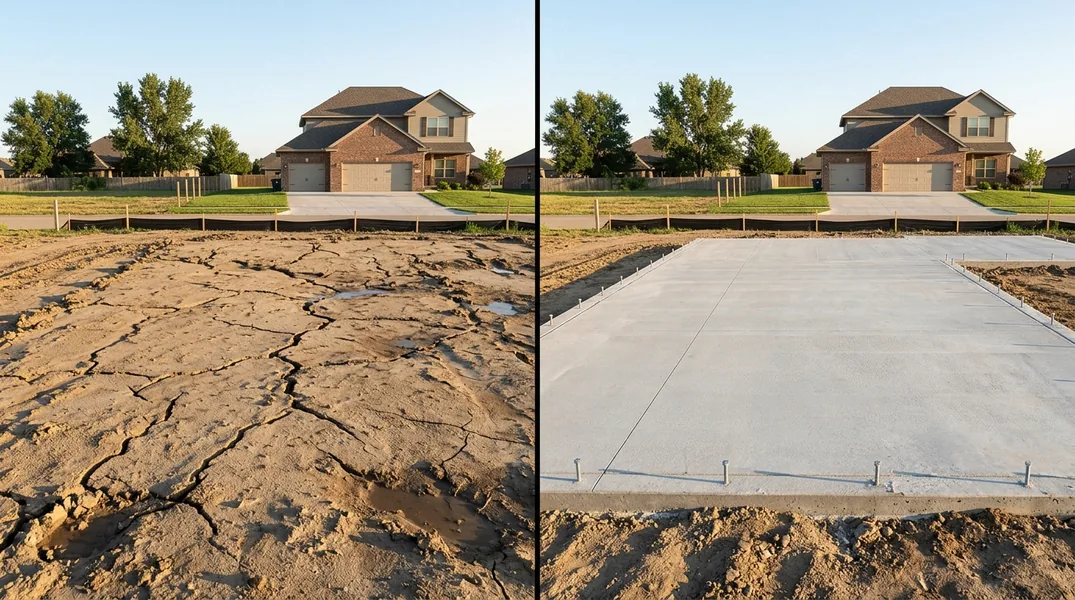
Understanding New Construction Concrete Slabs in Wichita
Buying a new home is one of the largest investments you'll make, and the foundation literally supports everything above it. When you're purchasing a new construction home in Wichita, the concrete slab beneath your house deserves careful attention before you close on the property. Many homebuyers focus on cosmetic details like paint colors and appliances, but they overlook the concrete foundation that will determine the structural integrity and longevity of their investment.
A new construction concrete slab in Wichita, KS is typically poured during the early stages of building, before framing begins. The quality of this slab affects everything from how level your floors are to whether you'll experience cracking, settling, or moisture problems down the road. Kansas weather, with its freeze-thaw cycles and occasional heavy rains, puts real stress on concrete, so understanding what builders should have done and what you should verify is essential knowledge before signing the final paperwork.
What to Look for During Your New Home Foundation Inspection
A proper new home foundation inspection should be part of your pre-closing walkthrough. Start by examining the concrete surface itself for visible cracks. Small hairline cracks less than 1/8 inch wide are often normal in new concrete as it cures and settles, but larger cracks, especially those wider than 1/4 inch or those that run diagonally, can indicate structural problems or poor concrete mix design. Walk the entire basement or crawl space and look for patterns in the cracking. If cracks appear in multiple locations or seem to follow a line, that's worth noting and potentially worth having a structural engineer evaluate before closing.
Next, check the levelness of the slab by observing how water would naturally flow. Pour a small amount of water on the concrete and watch where it runs. The slab should slope slightly away from the foundation walls to encourage drainage away from the house. If water pools in certain areas, that's a sign of poor grading or an improperly finished slab, which can lead to moisture intrusion and basement dampness over time. Also inspect the perimeter where the slab meets the foundation walls. There should be a clean joint, and you shouldn't see gaps, separation, or evidence of water damage or staining.
Moisture and Drainage: Critical Factors for Basement Slab New Build Kansas Homes
One of the most common issues homeowners face with new construction is unexpected moisture in the basement or crawl space. A basement slab new build Kansas homes are built with should include proper vapor barriers beneath the concrete. Before the slab was poured, builders should have installed a polyethylene vapor barrier (typically 6 mil thickness) over compacted soil and gravel. This barrier prevents groundwater and soil moisture from wicking up through the concrete. Ask your builder or the home inspector to confirm that a vapor barrier was installed and ask about its specifications.
Beyond the vapor barrier, the site grading around your foundation matters enormously. The ground should slope away from the house at a minimum of 5 to 10 percent grade for at least 6 to 10 feet from the foundation. In Wichita, where spring rains and occasional heavy storms occur, poor drainage around the foundation can lead to hydrostatic pressure against the slab and walls. During your inspection, walk around the exterior of the home and observe whether water would naturally drain away or pool near the foundation. If gutters and downspouts are installed, confirm that downspouts extend at least 4 to 6 feet away from the foundation. These details prevent costly water damage and the need for future Concrete Repair & Resurfacing work.
Common Defects and Red Flags in New Wichita New Build Concrete
Certain defects are more common in new construction concrete than others, and knowing what to watch for protects you. Efflorescence, a white chalky residue on the concrete surface, is caused by water carrying minerals through the concrete and depositing them on top. While efflorescence is usually cosmetic and can be cleaned, it indicates that water is moving through the slab. If you see significant efflorescence, it suggests moisture is present, which warrants investigation into the vapor barrier and drainage systems.
Spalling, which is the chipping or flaking of the concrete surface, can occur if the concrete was finished poorly or if de-icing salts were used during construction in winter. Bowing or heaving of the slab, where sections rise above their original level, can indicate expansive soil conditions or frost heave, particularly concerning in Kansas winters. Settling cracks that are wider at the top and narrower at the bottom often indicate the slab is moving as the soil beneath it settles. While some settlement is normal, excessive settling can compromise the structural integrity of the entire home. If you notice any of these issues during your inspection, document them with photos and discuss them with your builder or real estate agent before closing.
Questions to Ask Your Builder Before Closing
Don't hesitate to ask your builder specific questions about the concrete slab and foundation work. Request documentation showing the concrete mix design, the strength rating (typically measured in PSI or pounds per square inch), and the curing time before building began. Ask whether a structural engineer inspected the concrete work and whether any testing was performed to verify compaction of the base materials. Find out what warranty the builder provides on the foundation and slab, and get that warranty in writing as part of your closing documents.
Ask about the vapor barrier type and installation, the grading plan around the foundation, and whether any additional waterproofing was applied to the slab or foundation walls. If the home has a crawl space rather than a full basement, ask whether the slab includes a perimeter beam and whether the crawl space has proper ventilation or encapsulation. These questions show the builder that you're informed and serious about understanding the quality of your investment. A reputable builder will have detailed answers and documentation ready to share.
When to Bring in a Professional for Your New Construction Slab
While a visual inspection by the homebuyer is valuable, hiring a professional home inspector with structural expertise is money well spent. A qualified inspector will have tools to measure slab levelness, assess concrete strength through non-destructive testing, and identify moisture issues that aren't visible to the naked eye. If your inspector or your own observations raise concerns, consider hiring a structural engineer to evaluate the foundation before closing. The cost of a professional evaluation (typically $300 to $800) is negligible compared to the expense of fixing foundation problems after you own the home.
If you're in the Wichita area and want expert guidance on concrete quality or have concerns about your new slab, the team at Wichita Concrete understands the local climate challenges and construction standards. Whether you need advice or have questions about your new foundation, reach out to Wichita Concrete at (316) 368-4872 or visit https://wichita-concrete.com to request a free estimate or consultation. Having professionals in your corner gives you confidence in your home purchase decision.
Looking for a professional concrete contractor in Wichita? Wichita Concrete responds fast for all your concrete needs.
Get a Free QuoteOur services: Concrete Driveways · Concrete Patios · Stamped & Decorative Concrete