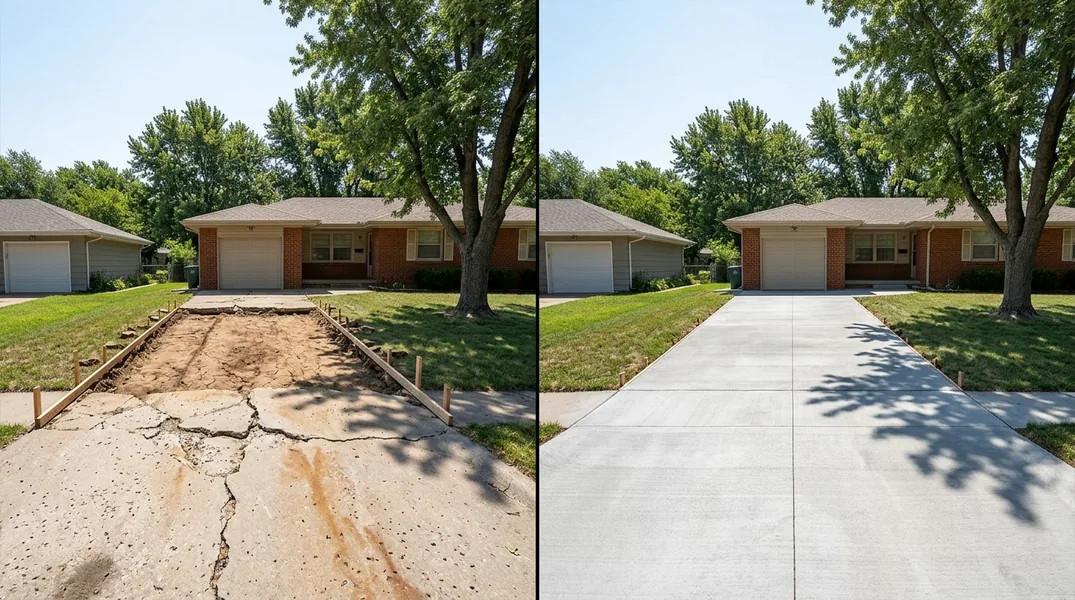
Spring: The Ideal Season for Concrete Pouring in Wichita
When it comes to when to pour concrete in Kansas, spring consistently ranks as the best time of year for most homeowners in Wichita. The months of April through May offer a sweet spot of moderate temperatures, adequate moisture, and stable weather patterns that create ideal conditions for concrete curing. During spring, daytime temperatures typically range between 50 and 70 degrees Fahrenheit, which allows concrete to cure at a steady, predictable rate without the stress of extreme heat or cold.
Spring also brings reliable rainfall to the region, which helps maintain the moisture content concrete needs during the initial curing phase. Unlike summer's intense heat or winter's freezing conditions, spring weather in Wichita allows contractors to work efficiently without rushing the job or dealing with weather-related delays. If you're planning a Concrete Driveways project or considering Concrete Patios, spring is when you'll see the best results and fastest turnaround times. The concrete gains strength gradually and uniformly, reducing the risk of cracking or surface defects that can occur when curing happens too quickly or too slowly.
Summer Concrete Pouring: Challenges and Solutions
Summer in Kansas brings intense heat, and pouring concrete during this season requires extra attention and expertise. High temperatures accelerate the curing process, which can actually cause problems if not managed properly. When concrete cures too quickly, the surface can dry faster than the interior, leading to stress cracks and uneven strength development. Additionally, the hot sun can cause concrete to lose moisture too rapidly, compromising its long-term durability and appearance. If you absolutely must schedule a Concrete Driveways pour during summer months, professional contractors implement special techniques to combat these challenges.
Experienced concrete teams working in summer conditions use methods like misting the concrete surface with water, applying curing compounds, and sometimes placing temporary shade structures over freshly poured concrete. They may also schedule pours for early morning hours when temperatures are cooler, and they adjust the concrete mix design to account for faster hydration. The concrete pouring season in Wichita extends into summer for those willing to work with professionals who understand these complications, but the added precautions often increase project costs and complexity. If you're considering summer work, it's worth getting a free estimate from Wichita Concrete to understand what special measures might be needed for your specific project.
Cold Weather Concrete Curing: Winter Considerations
Cold weather concrete curing in Kansas presents serious challenges that most homeowners should avoid if possible. When temperatures drop below 50 degrees Fahrenheit, concrete's hydration process slows dramatically, extending cure times from days to weeks. Below freezing, the situation becomes critical. If concrete freezes before it reaches sufficient strength (typically at least 500 PSI), the water within it expands, causing permanent damage that cannot be repaired. This is why winter is generally the worst time for pouring concrete in Wichita, and most professional contractors strongly discourage winter projects unless absolutely necessary.
If winter concrete work becomes unavoidable, contractors must use specialized concrete mixes with accelerators, apply insulating blankets over the pour, and sometimes use heated enclosures to maintain proper curing temperatures. These measures are expensive and labor-intensive, significantly raising project costs compared to spring or fall work. For Stamped & Decorative Concrete or other specialized finishes, winter work is particularly risky because decorative elements and surface treatments require precise conditions to cure properly. Unless you're facing a genuine emergency, waiting until spring is the smart choice for your concrete project's longevity and your wallet.
Fall: A Secondary Ideal Window for Concrete Work
While spring takes the top spot, fall represents an excellent secondary option for concrete pouring in Kansas. September and October typically offer temperatures similar to spring, with moderate heat and consistent moisture levels that support proper concrete curing. As summer heat fades and before winter cold arrives, fall provides a narrow but valuable window when conditions are nearly perfect. Many homeowners and contractors overlook fall as a viable season, but it deserves serious consideration if spring scheduling doesn't work for your timeline.
One advantage of fall scheduling is reduced demand on concrete contractors' schedules. Since most people think of spring as the only good season, fall often has more availability, potentially shorter wait times, and sometimes more flexible pricing. The risk of unexpected weather delays is lower in fall than in spring, when sudden temperature swings can occur. If you're planning Concrete Repair & Resurfacing work or any other concrete project, fall can be an underrated opportunity to get quality work done without the spring rush. Contact Wichita Concrete at (316) 368-4872 to discuss whether fall timing might work for your specific project needs.
Factors Beyond Season: Temperature, Humidity, and Rainfall
While season matters, successful concrete pouring ultimately depends on specific weather conditions rather than calendar dates alone. Temperature is the primary factor, with the ideal range being 50 to 85 degrees Fahrenheit. Within this range, concrete cures predictably and gains strength at an appropriate rate. Humidity also plays a crucial role. Concrete needs moisture to cure properly, but excessive humidity can slow the process, while very dry conditions can cause it to cure too quickly and crack. Rainfall in the days following a pour can actually be beneficial if the concrete has had time to set initially, as it provides the moisture needed for continued hydration.
Professional concrete contractors monitor weather forecasts carefully before scheduling pours, looking for stable conditions rather than relying solely on seasonal assumptions. A warm, dry week in late March might be better for pouring than a cool, rainy week in mid-April. This is why working with experienced professionals like Wichita Concrete matters so much. They understand local weather patterns and can recommend the optimal timing for your project. When you call for a free estimate, our team can assess current conditions and help you choose the best window for your Concrete Driveways, patios, or other concrete work.
Planning Your Concrete Project: Next Steps in Wichita
Now that you understand the best times for concrete work in Kansas, the next step is planning your specific project. Whether you need a new driveway, patio, or Concrete Repair & Resurfacing, timing your project correctly ensures the best results and protects your investment. Start by identifying your project type and desired completion date, then work backward to determine when you should schedule the pour. If you're aiming for summer use of a new patio, for example, scheduling the pour in spring gives you time for proper curing before the season begins.
Wichita Concrete specializes in helping homeowners throughout the region make these decisions. Our team has years of experience with Kansas weather and knows exactly how to time projects for success. We're ready to discuss your specific needs, answer questions about timing and pricing, and provide professional guidance based on current conditions. Don't leave your concrete project to chance. Contact us today at (316) 368-4872 or visit our website to schedule your free estimate and get your project on the calendar at the perfect time.
Looking for a professional concrete contractor in Wichita? Wichita Concrete responds fast for all your concrete needs.
Get a Free QuoteOur services: Concrete Driveways · Concrete Patios · Stamped & Decorative Concrete